

|
| Search | Car Forums | Gallery | Articles | Helper | Air Dried Fresh Beef Dog Food | IgorSushko.com | Corporate |
|
|||||||
| Engineering/ Technical Ask technical questions about cars. Do you know how a car engine works? |
 |
 Show Printable Version | Show Printable Version |  Subscribe to this Thread
|
|
|
Thread Tools |
|
#1
 02-12-2007, 11:55 AM
|
||||
|
||||
|
Physics Student Very Curious
I'm taking environmental physics as my first ever physics class so a lot of this is new to me. We recently learned about calculating Gas Mileage from Fdrag and it got me thinking. Help this thread by trying to answer my three individual questions. Notice I said try.
1. Currently, engines produce power with 33% or less efficiency. How can we optimize and increase engine efficiency for the future? 2. My homework was to calculate how much possible miles per gallon my car could make (The Camaro) based on it's Coefficient Drag and Frontal Surface Area. With the right engine, this particular shape could theoretically make 46MPG. What specific/type of engine would it need to come close to that number? Does such an engine exist today? 3. I know there was something else I wanted to ask, just focus on those for now until I replace this sentence with the real question.
__________________
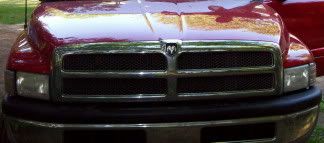 1996 Dodge Ram 1500 5.2L 5spd!!! 1987 Chevy Iroc-Z- -Needs a new cat 1992 Nissan 240sx 5spd- SOLD 
|
|
#2
02-14-2007, 03:34 PM
|
|||
|
|||
|
Re: Physics Student Very Curious
i think you might be able to get your answer to question 2 with a four cylinder with 60 horsepower and a good transmission. hahaha
|
|
#3
02-14-2007, 06:38 PM
|
|||
|
|||
|
Re: Physics Student Very Curious
running an engine as hot as possible before thermonuclear meltdown occurs produces more efficiency. Seems like I read somewhere they were expirementing with ceramic materials so they could run hotter since engines produce heat energy.
__________________
2009 Silverado 1500 2002 Camaro Z28(rebuilder) 2005 Yamaha GP1300R
|
|
#4
02-14-2007, 08:33 PM
|
|||
|
|||
|
Re: Physics Student Very Curious
but wouldnt an excessively hot engine waste energy by radiating energy as heat?
|
|
#5
02-14-2007, 11:26 PM
|
|||
|
|||
|
Re: Physics Student Very Curious
Quote:
This is what abaird is talking about. In reality the material limits, emissions and fuel limits force us to use lower temperatures. Then you'll see the Otto "petrol" thermodynamic cycle has it's own limitations and can't get to the ideal carnot cycle. On top of that, mechanical and fluid factors reduce your efficiency further. 33% is the best efficiency you'll get only in a very tiny operating range (speed, load, rpm, throttle position). Diesel engines have higher efficiencies (up to almost 50%) for a few main reasons. The first is a compression ratio that is higher than petrol fuel can withstand. The second is no throttle which reduces air pumping losses and makes them highly efficient over much of their operating range. You can sleep easy knowing that there are thousands of very clever engineers worldwide working to get the most out of our current engine designs and also exploring new ones. 2. You need a small turbocharged diesel engine. Check out european car makers (VW etc). Their engines can produce 1kwhour of shaft power on 200g of diesel fuel.
|
|
|
POST REPLY TO THIS THREAD |
 |
|
|






