

|
| Search | Car Forums | Gallery | Articles | Helper | Air Dried Fresh Beef Dog Food | IgorSushko.com | Corporate |
|
|||||||
| Engineering/ Technical Ask technical questions about cars. Do you know how a car engine works? |
 |
 Show Printable Version | Show Printable Version |  Subscribe to this Thread
|
|
|
Thread Tools |
|
#16
 11-23-2006, 07:03 PM
|
|||
|
|||
|
Re: Larger displacement for better mpgs?
Intresting tid bit of info, I just did a few mathmatical equations, and even with it's insane 6 inch stroke, this engine could run aprox 5000 rpms without exceding the internal g-forces of other production engines! 6"x 5000rpm x2cycles=5000ft per min. I would probably have to go with a long rod design to deal with those rpms though and that would slightly compromise low end torque, but a good thing for engine life (less laterial force aginst the rings and pistons, and less stress on the wristpins and just about any other moving part because of the more gradual g-forces at TDC and BDC) the higher RPM would allow to push the redline power to 800-900HP!! OK without advanced VVTi and variable length intake runners maby more like 700hp but that is still major kick.
Last edited by kachok25; 11-23-2006 at 07:38 PM. |
|
#17
11-23-2006, 08:40 PM
|
||||
|
||||
|
Re: Larger displacement for better mpgs?
any chance of showing us the maths you have done and what they mean and relate to, so that those of us who does know a bit about the mechanics of these things can take a look and see what you're doing?
__________________
AF's Guidelines Read them. __________________  Currently in the process of re-hosting my photos. If any go missing, drop me a PM. |
|
#18
11-23-2006, 08:51 PM
|
||||
|
||||
|
Re: Larger displacement for better mpgs?
I never thought of the equations dealing with bore, stroke, or even the size of the engine compared to its fuel mileage. A car with a more powerful engine gets you to where you are going quicker, which means it travels more miles in a shorter time then a less powerful engine. The only really problem I see is the speed limit. It won't matter how fast your car goes if you're both at a constant speed (65mph) and the engine built to conserve energy (and fuel) wins.
__________________
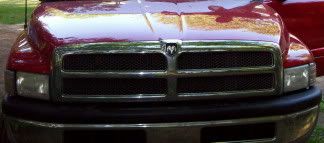 1996 Dodge Ram 1500 5.2L 5spd!!! 1987 Chevy Iroc-Z- -Needs a new cat 1992 Nissan 240sx 5spd- SOLD |
|
#19
11-23-2006, 09:37 PM
|
|||
|
|||
|
Re: Larger displacement for better mpgs?
Quote:
As far as the RPM goes take your stroke (6") times your cycles per rotation (2) times your RPM devided by 12 (12"=1foot) and you have your piston speed in this case 5000 FPM (feet per min). 6600 FPM is where things usualy start to come unglued, depending on what material are used for the internals. As far as the rod to stroke ratio, Longer rods mean less G-forces at Top dead center and bottom dead center TDC and BDC, 1.5-1.8 rod to stroke ratio is pretty standard. Are there any other equations you are looking for?? |
|
#20
11-23-2006, 09:56 PM
|
|||
|
|||
|
Re: Larger displacement for better mpgs?
Quote:
|
|
#21
11-23-2006, 10:00 PM
|
||||
|
||||
|
Re: Larger displacement for better mpgs?
i was thinking more along the lines of the real spoddy bits of maths dealing with masses, inertia, vibrations, amount of fuel needed per cycle that sort of thing.
you started this thread by stating a "want" for a more efficient engine but so far, i don't really see anything that follows on from this apart from mentioning the theoretical reduction of loss of energy through heat. where are you getting that your idea would more fuel efficient than a "regular" engine?
__________________
AF's Guidelines Read them. __________________ Currently in the process of re-hosting my photos. If any go missing, drop me a PM. |
|
#22
11-23-2006, 10:21 PM
|
|||
|
|||
|
Re: Larger displacement for better mpgs?
Quote:
|
|
#23
11-23-2006, 10:29 PM
|
||||
|
||||
|
Re: Larger displacement for better mpgs?
i'm not saying this is far fetched science fiction; after all, they used to make 27 litre V12s pumping out 1000+ bhp easily 60+ years ago.
it's just that the first thing that comes to mind is that thermal efficiency doesn't automatically equal good fuel economy. by the same token, super efficient use of fuel in modern engines also doesn't automatically equal good thermal efficiency or fuel economy. first thing's first. what kind of efficiency are you looking at specifically?
__________________
AF's Guidelines Read them. __________________ Currently in the process of re-hosting my photos. If any go missing, drop me a PM. |
|
#24
11-23-2006, 10:40 PM
|
|||
|
|||
|
Re: Larger displacement for better mpgs?
Quote:
|
|
#25
11-23-2006, 11:31 PM
|
|||
|
|||
|
Re: Larger displacement for better mpgs?
Quote:
Anything a petrol can gain by using hybrid drive, a diesel can also gain. You may not spend much time at a dead stop, but the average car engine spends almost all of it's time heavily throttled. In these situations a large engine is nothing but a waste of space and fuel. Comparing highway MPG is not the whole story. There are many standards worldwide for fuel consumption tests, a large engine will do poorly in all of them. It takes me 15 minutes to pedal to work on a mountainbike. The same journey in a car takes 7 minutes and consumes over half a litre of petrol. |
|
#26
11-23-2006, 11:34 PM
|
|||
|
|||
|
Re: Larger displacement for better mpgs?
Quote:
Linear acceleration at the top of the stroke is. The thermal efficiency of a petrol engine is appalling. You are flogging a dead horse. But that same dead horse is being flogged in much better ways by thousands of professional engineers world-wide. In case you didn't realise. The thermal efficiency is very closely linked to the compression ratio. A diesel has typically twice the compression of a petrol engine. |
|
#27
11-23-2006, 11:37 PM
|
|||
|
|||
|
Re: Larger displacement for better mpgs?
Quote:
Your goals are completely unrealistic and unacheivable. |
|
#28
11-23-2006, 11:48 PM
|
|||
|
|||
|
Re: Larger displacement for better mpgs?
Quote:
|
|
#29
11-24-2006, 12:06 AM
|
|||
|
|||
|
Re: Larger displacement for better mpgs?
Quote:
The petrol engine is so close to it's peak that there is no large gain possible. Put those vehicles through a combined cycle fuel economy test and your results will be very very different. The fact that the occasional owner spends all their time driving on the highway and gets good numbers doesn't matter when the same vehicle won't get 4 km/l in an urban environment. So what if a 6.0l vette can get 28 USmpg. A smaller petrol engine in the same car could almost double that. A diesel engine in the same car would more than double that. |
|
#30
11-24-2006, 12:26 AM
|
|||
|
|||
|
Re: Larger displacement for better mpgs?
Quote:
|
|
|
POST REPLY TO THIS THREAD |
 |
|
|








